
Heat recovery ventilation
Fresh outdoor air in, stale air out, with the heat kept inside
A balanced heat recovery ventilation system brings outdoor air into the house and extracts stale, moist air, passing both through a heat exchanger so much of the warmth in the outgoing air is transferred to the incoming air. It is a different system from the roof-space positive pressure units many people know, and the difference matters for fresh air and for the Building Code.
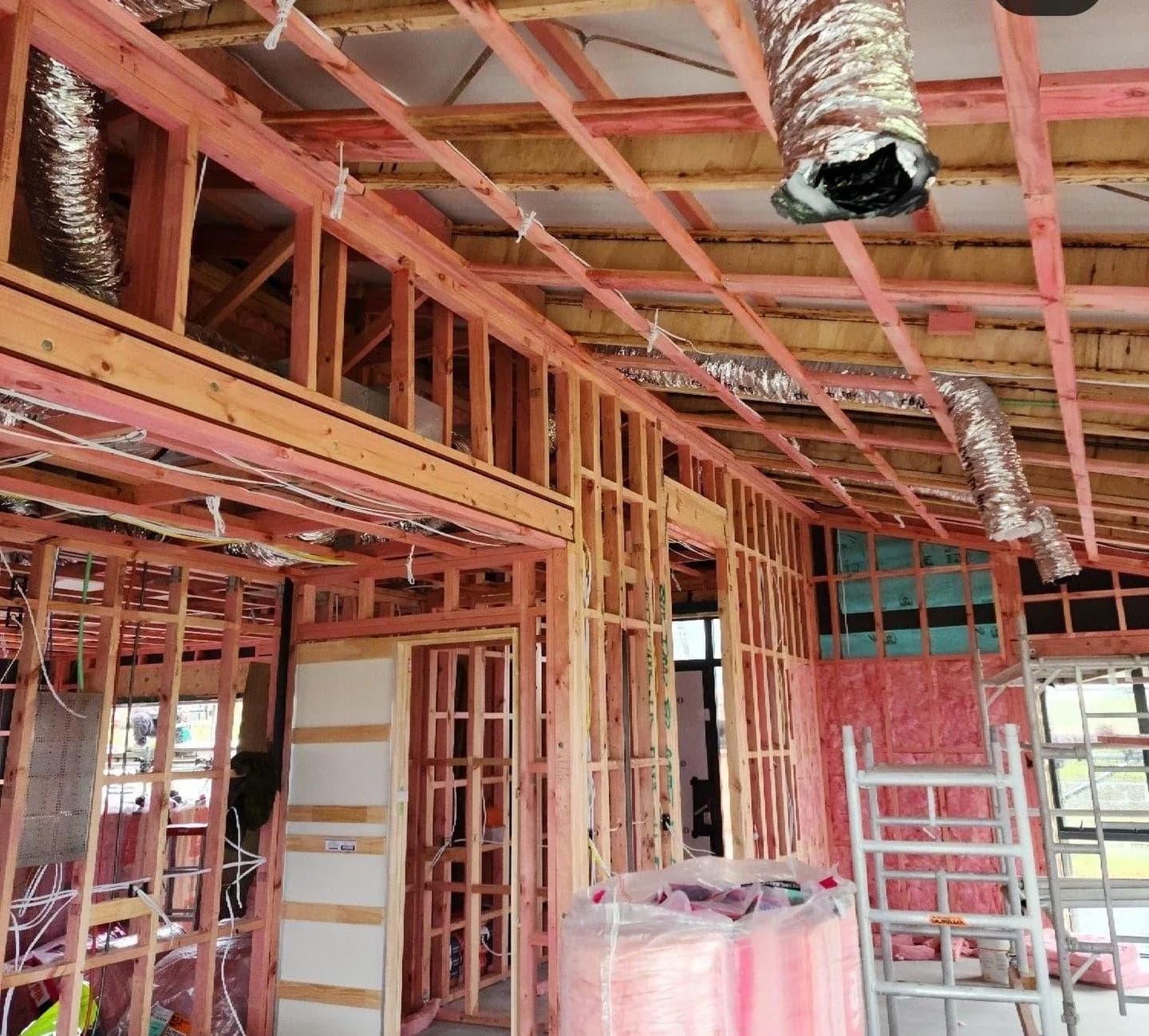
Balanced ventilation that brings in outdoor air and recovers heat from outgoing stale air. How it differs from positive pressure.
Ask about heat recovery ventilationHow it works
How balanced heat recovery ventilation works
A balanced heat recovery system has two fans and two sets of ducts. One draws fresh air in from outside, the other removes stale air from inside, typically from kitchens, bathrooms and laundries. Both airstreams pass through an air-to-air heat exchanger, generally installed in the roof space, which warms the incoming air with heat recovered from the outgoing air. The two streams never mix.
BRANZ's Level guidance on heat and energy recovery ventilation stresses that setting a balanced extract and intake airflow is critical for the system to work efficiently, and that delivered efficiency can drop below 30 % if heat and air losses through the ducting are not properly considered. Design and installation quality matter as much as the unit itself.
In summer, many units can bypass the heat exchanger to bring cooler outdoor air in. Energy recovery ventilation (ERV) units work the same way but also transfer some moisture between the airstreams.
Heat recovery is not heating. BRANZ Bulletin 698 notes that some manufacturers state incoming air will still need heating in colder weather, so a heat recovery system works alongside your heating, not instead of it.
Compare
Where heat recovery sits among the ventilation types
Extract systems pull air out and supply systems push air in. Only a balanced system does both with matched fans, which is what makes heat recovery possible.
Heat recovery vs positive pressure
Balanced heat recovery and positive pressure compared
| Balanced heat recovery | Positive pressure (supply) | |
|---|---|---|
| Where the air comes from | Outdoors, through a dedicated intake | Usually the roof space. Some systems can draw outdoor air from the eaves |
| Fans | Two: supply and extract, balanced | One: supply only |
| How stale air leaves | Extracted through ducts and the heat exchanger | Forced out through gaps and leakage paths in the building |
| Heat exchanger | Yes | No. Some have electric heaters to warm incoming air |
| Building Code clause G4 | Meets the fresh outdoor air requirement (BRANZ Level) | Drawing from the roof space cannot demonstrate G4 compliance (BRANZ Bulletin 698) |
| Suits | Airtight new builds and well-sealed renovations | Depends on the system and the house; check the air source |
Design and installation
The details that decide whether heat recovery performs
- Balanced airflow
- Supply and extract airflows are set to match during commissioning. An unbalanced system loses efficiency and can push or pull air through the building fabric.
- Short, well-supported ducts
- BRANZ recommends keeping duct runs as short as possible, with smooth internal surfaces, as few bends as possible, and hangers spaced to stop flexible ducting sagging.
- Insulated ducting
- Ducts run through a cold roof space, so insulation is part of keeping recovered heat in the air rather than losing it on the way to the room.
- Intake and exhaust positions
- The outdoor intake and the exhaust are positioned apart so stale air is not drawn straight back in. BRANZ advises locating exhaust outlets so discharged air does not re-enter the home's fresh air supply.
- Wiring and controls
- The unit and its controls need a power supply and, on many systems, a wall controller or sensors. We wire these as part of the job.
Good fit
Where heat recovery ventilation makes most sense
- New builds and other airtight homes, where little air leaks in by accident
- Homes where opening windows is not practical because of noise, security or weather
- Renovations where ceilings are open and duct routes can be planned properly
- Homes that already have good insulation and heating, so recovered heat is worth keeping
Maintenance
Looking after a heat recovery system
BRANZ Bulletin 698 lists the typical maintenance tasks for mechanical ventilation systems.
Filters
Replace air filters as often as the manufacturer recommends. Clogged filters reduce airflow and upset the balance.
Outside hoods and screens
Clean intake and exhaust hoods and screens, typically every 12 months.
Condensate drains
Where the unit has a condensate drain or pan, clean it as required to remove mould, bacteria and fungi.
Ductwork
Check the ducts in the roof space are undamaged, every 2 years.
Process
How we install heat recovery ventilation
- STEP 01
Enquiry
Tell us about the house, whether it is a new build or renovation, and any damp or condensation problems.
- STEP 02
Site assessment
We look at the roof space, possible unit and duct positions, intake and exhaust locations, and the electrical supply, since the unit needs a power point in the roof space.
- STEP 03
Design and quote
We lay out supply and extract points room by room, size the unit and ducting, and quote the full job including wiring.
- STEP 04
Installation
Unit mounted and supported, insulated ducts run and hung, outlets and grilles fitted, outdoor terminations sealed, and the system wired.
- STEP 05
Testing and commissioning
Airflows are measured and balanced, controls set up, and the system run to the manufacturer's instructions.
- STEP 06
Handover
We show you the controls, the filters and how often they need attention.
FAQ
Heat recovery ventilation: common questions
Does heat recovery ventilation heat my home?
No. It recovers some of the heat from outgoing stale air and uses it to warm incoming fresh air, which reduces the heat lost through ventilation. It does not add heat, so you still need a heating system such as a heat pump.
Is a roof-space ventilation system a heat recovery system?
Not unless it actually contains a heat exchanger and draws outdoor air. Level notes that some roof-space systems are advertised as heat recovery systems, and that roof-space air is not fresh outdoor air. Ask where the air comes from and whether there is a heat recovery device.
Does heat recovery ventilation meet the Building Code?
BRANZ's Level guidance states that heat recovery systems meet the fresh outdoor air ventilation requirement in clause G4. Systems that draw air from the roof space cannot be used to demonstrate compliance with G4, according to BRANZ Bulletin 698.
Can heat recovery ventilation be retrofitted to an existing home?
Often, if the roof space has room for the unit and duct runs. It works best in a reasonably airtight house. In a draughty older home, much of the air exchange happens through gaps regardless, so we look at insulation and draught sealing first.
Can a heat pump replace heat recovery ventilation?
No. They do different jobs. A heat pump heats and cools the air already in the house; it does not bring in outdoor air. Many homes benefit from both. See home ventilation for how the systems differ.
How often do the filters need changing?
Follow the manufacturer's recommendation for your unit. BRANZ also suggests cleaning outside hoods and screens about every 12 months and checking the roof-space ducts every 2 years.
What customers say
5.0 from 47 Google reviewsCustomer reviews
“I have used Plexus Electrical for many years on projects from lighting, outdoor electrics, aircon and heating systems. Ryan and his team are great respectful, efficient and professional. Would highly recommend Plexus.”
“Super professional guys, did a number of jobs for us, from a single power point installation to rewiring entire room and installing new lights. Ryan is down to earth and straight to the point man, absolute pleasure to deal with. Heavily recommended.”
“We’ve been working with Ryan and his team at Plexus Electrical since 2016, and we can’t recommend him highly enough. Over the years, Ryan has consistently delivered exceptional service for our projects. He’s reliable, professional, and always brings a high level of expertise to every job. Whether it’s been smaller jobs or more complex work, he approaches everything with care and precision. It’s amazing having someone like Ryan as part of our trusted team. A true professional and a pleasure to work with!”
Ask about heat recovery ventilation
Tell us about the house and whether it is a new build or renovation. We will look at the roof space, design the supply and extract layout and quote the full installation.
More on heat recovery ventilation